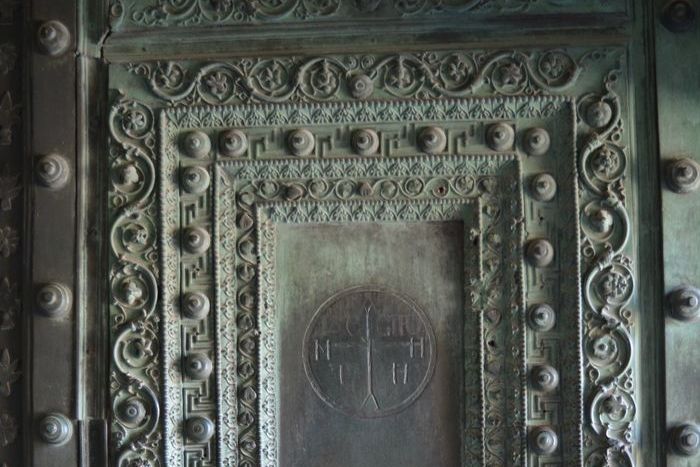

The church was much better organized than the nobles, and this gave it a great advantage in power. While the nobles often acted separately and followed their own interests, the church worked with one spirit and one common goal. Its members were united in purpose, discipline, and belief. Because of this unity, the church was able to rise above the scattered and unplanned efforts of the feudal lords Kukeri Carnival.
Over time, the church established authority not only over the common people but also over the aristocracy. Even powerful kings had to respect the decisions of the church. When the church issued commands or religious punishments, rulers feared the consequences. Their power, though great in appearance, could quickly become weak if the church turned against them.
The Power Over Kings and Nations
The influence of the church spread across all of Europe. Kings, who were supposed to rule their lands with full authority, often bowed to the judgment of the church. Religious penalties such as interdicts or excommunications could shake entire kingdoms. These actions could make rulers tremble on their thrones, because they feared losing the loyalty of their subjects.
In time, the head of the church, especially the Pope, came to exercise a kind of universal authority. His influence was not limited to one country or one people. Instead, it reached across borders and affected large populations from one end of Europe to the other. Many rulers believed that their right to govern depended on the approval of the church Power Without Order.
Lack of Improvement for the People
Although the church knew that its power depended greatly on the obedience of the people, it did little to improve their condition. The lives of ordinary men and women remained difficult and restricted. There were few efforts to raise their social position or to make their lives more secure and fair.
Instead of working for the progress of society as a whole, the church often allowed the existing system of feudal slavery to continue. Kings and barons claimed that their authority over the lower classes was supported by religious approval. This belief gave them confidence to rule harshly, as long as they did not challenge the church’s authority.
Feudal Tyranny Under Religious Authority
The nobles and kings used their supposed religious right to keep the people in feudal dependence. They treated this right as if it were unquestionable and permanent. In many cases, they ruled with extreme harshness, imposing heavy duties and strict control over the lives of their vassals and serfs.
However, their power was not truly independent. It remained secure only while they stayed in favour with the church. If the Pope chose to act against a ruler, the strength of that ruler could quickly collapse. The loyalty of the people could be withdrawn through religious commands, leaving even the strongest monarch weak and isolated.
The Example of Royal Weakness
History provides clear examples of how powerful kings could suddenly lose their authority when the church opposed them. A ruler who was once respected and obeyed could become abandoned by ministers, nobles, and subjects. Even simple servants and workers might refuse to perform their duties if a religious interdict was in place.
This shows how deeply religious belief influenced society. Acts that were once seen as honourable could suddenly be avoided out of fear of spiritual punishment. The authority of the church, therefore, extended into daily life and practical affairs, not just spiritual matters.
The Source of the Church’s Power
What truly gave the church such great power was not force of arms, but the obedience of the people. The masses, though often oppressed and degraded, submitted to the church’s commands without resistance. They had not yet learned to understand their own strength or to demand their rights.
Because the people accepted religious authority without question, the church’s edicts became more powerful than the commands of kings. This submission allowed the church to control both rulers and subjects alike. If the population had refused to obey, such power would have been impossible to maintain.
Obedience and Social Control
In conclusion, the church gained supremacy through organization, unity, and the deep obedience of the people. While it exercised enormous influence over kings and nations, it failed to improve the condition of the common population. The system of feudal rule continued, supported by religious approval and social submission. The true foundation of this vast authority was the unquestioning obedience of the masses, who had not yet realized their collective strength or their right to a better and freer life.